
By:
Let’s break it down.
Topical retinoids have been getting a lot of buzz—and for good reason. But before you jump on the bandwagon (or abandon it because someone scared you off), let’s get real about what they are, what they do, and how they actually benefit your skin.
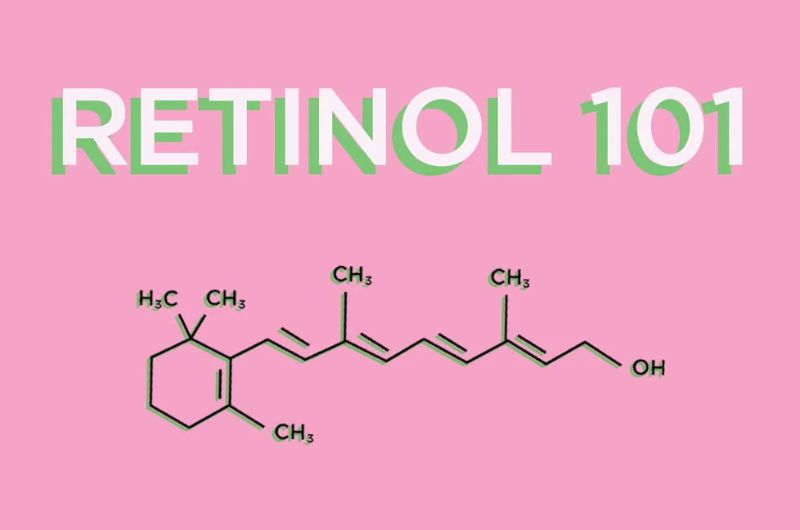
Retinoids are vitamin A derivatives that work on a cellular level to improve your skin’s texture, tone, and overall health. Available in a range of strengths and forms, they promote faster cell turnover, which means fresher, younger-looking skin is revealed more quickly.
But the magic doesn’t stop there.
Boost Collagen Production
Retinoids help thicken the deeper layers of your skin by stimulating and strengthening collagen. That translates to fewer fine lines and a smoother appearance over time.
Improve Skin Tone & Fade Dark Spots
They stimulate the production of new blood vessels, which improves overall skin tone and can help fade hyperpigmentation and dark spots.
Refine Texture & Smooth Rough Patches
Retinoids soften those dry, uneven areas by promoting exfoliation from within.
Clear Congestion
If your skin is breakout-prone, retinoids can help by unclogging pores and reducing inflammation—making them a powerful tool for both acne management and healthy aging.
Think of retinoids like a GPS route to glowing skin. The more direct the route, the quicker (and sometimes bumpier) the ride. The longer the route, the slower but smoother the journey. Here’s how the different types stack up:
Retinol and bakuchiol are often compared because they aim to deliver similar skin benefits—like smoothing fine lines, brightening dark spots, and promoting cell turnover—but they’re fundamentally different in how they work and how your skin reacts to them.
Retinol is a derivative of vitamin A and has decades of research backing its effectiveness in improving signs of aging, acne, and skin texture. However, it can also cause dryness, redness, peeling, and increased sun sensitivity—especially when first introduced. It’s powerful, but not always well tolerated. It’s also not generally recommended during pregnancy or breastfeeding.
Bakuchiol, on the other hand, is a plant-based compound derived from the babchi plant. It’s often called a “natural retinol alternative” because it delivers many of the same results—like improved texture, firmer skin, and reduced discoloration—but without the irritation or sun sensitivity. Bakuchiol is gentle enough for sensitive skin and is often marketed as a pregnancy-safe option (though you should always check with your doctor).
Unlike retinol, bakuchiol does not thin the skin or increase its vulnerability to UV rays, which makes it a great option for daytime use or for those who prefer a less aggressive approach. That said, results with bakuchiol can take longer to appear—but many find the experience more pleasant and sustainable in the long run.
So, which is better? It depends on your skin type, goals, and how much intensity you’re ready for. Some clients alternate both in their routines, while others stick with one based on what their skin can handle.
If you’re curious about bakuchiol, one of my favorite formulas is the Savor Beauty Blue Tansy 2% Bakuchiol Serum. It contains a generous 2% concentration of bakuchiol—double what’s commonly found in most products—plus anti-inflammatory blue tansy, brightening vitamin C, and clarifying salicylic acid.
What makes it even better? It comes in two versions tailored to your skin type:
Both formulas absorb quickly and can be used as an all-over treatment or targeted spot corrector. They’re a beautiful, gentle way to encourage healthy cell turnover and restore glow—without the risk of flaking or irritation.
You may have heard some controversy around retinyl palmitate, a vitamin A derivative used in some sunscreens. Some animal studies suggest it may become unstable under UV exposure, potentially contributing to skin damage or even increased cancer risk. While nothing is conclusive in humans, the concern is enough to raise eyebrows.
Here’s what we do know:
Vitamin A ingredients increase cell turnover, which makes your skin more sensitive to the sun. This is why all retinoid-based products advise: use sunscreen, avoid sun exposure, and apply at night.
So, does it make sense to include a sun-sensitizing ingredient in sunscreen? It’s questionable. While some dermatologists say it’s safe when stabilized with antioxidants, I lean cautious.
There are plenty of excellent sunscreens without vitamin A derivatives, and considering most people under-apply or forget to reapply, it’s better to play it safe.
✅ My advice:
– Avoid sunscreens with retinyl palmitate
– Protect your skin extra well if you’re using any vitamin A products (retinol, tretinoin, etc.)
– Don’t rely on makeup or moisturizers for full sun protection—layer up with a dedicated SPF
Retinoids are powerful, research-backed ingredients that can transform your skin when used properly. But they’re not one-size-fits-all. Whether you go with a traditional vitamin A product or opt for a gentler botanical like bakuchiol, consistency and sun protection are key.
Need help figuring out what’s right for your skin? I’m here to guide you.